



A genre built on failure has always been a tough sell. Roguelikes ask players to lose, restart, and call the loop fun, a pitch that works brilliantly on the converted and poorly on everyone else. Hades II, which left early access and launched in full on September 25, 2025, is the strongest argument yet that the pitch can be rewritten.
Supergiant Games spent more than a year refining the sequel in public after its May 2024 early access debut on PC. The 1.0 build arrived with a finished story, two distinct routes out of the underworld, and a launch on Nintendo Switch and Switch 2 alongside PC. The feature list matters less than what it signals. A roguelike made by a studio with a reputation for craft is now being released the way a major action-adventure would be, with a clear ending and a platform spread that reaches players who have never opened Steam.

Why Supergiant’s Formula Travels
The central trick of the original Hades was making failure the engine of the story. Every death sent Zagreus back to the House of Hades, where characters reacted to what had just happened and the plot moved forward whether the run succeeded or not. That removes the sting that turns many newcomers away from the genre. Losing stops feeling like punishment and starts feeling like the next scene.
Hades II keeps that structure and widens it. Melinoë, the protagonist, returns to a hub called the Crossroads after each attempt, and the space is full of people to talk to, relationships to deepen, and materials to spend on permanent upgrades. Progress is never limited to how far a single run goes. A player who stalls in the second region can still leave with something that makes the next attempt easier, and that quiet safety net does more for mainstream appeal than any difficulty slider.
Combat has been shaped with the same welcoming instinct. Weapons have distinct personalities, magic gives players a second layer of tools, and the boon system lets them stack effects until a build clicks. The first game also shipped with an assist option that let players soften the challenge without shame, and that philosophy fits a sequel designed to be finished by more than the dedicated few. Mastery is there for anyone who wants it, but nothing demands it.
A Long Runway Built an Audience
Early access is usually treated as a development tool, but here it worked as a slow-burn marketing campaign. By the time 1.0 arrived, a large community had spent months trading builds, dissecting weapons, and speculating about where the story was headed. Players who had waited on the sidelines for a finished version were primed to jump in at launch.
That long conversation also kept the game visible far longer than a typical release window would allow.
What a Mainstream Roguelike Demands From the Rest of the Genre
The most immediate effect is on expectations. A player who finishes Hades II and then tries a different roguelike will notice what is missing: the hub with its running dialogue, the voiced characters who remember what happened last time, the sense that the game is paying attention. Studios that treat narrative as an afterthought in a run-based structure now have a very visible benchmark standing next to them. Not every team can match Supergiant’s production, but the baseline for what feels generous has moved.
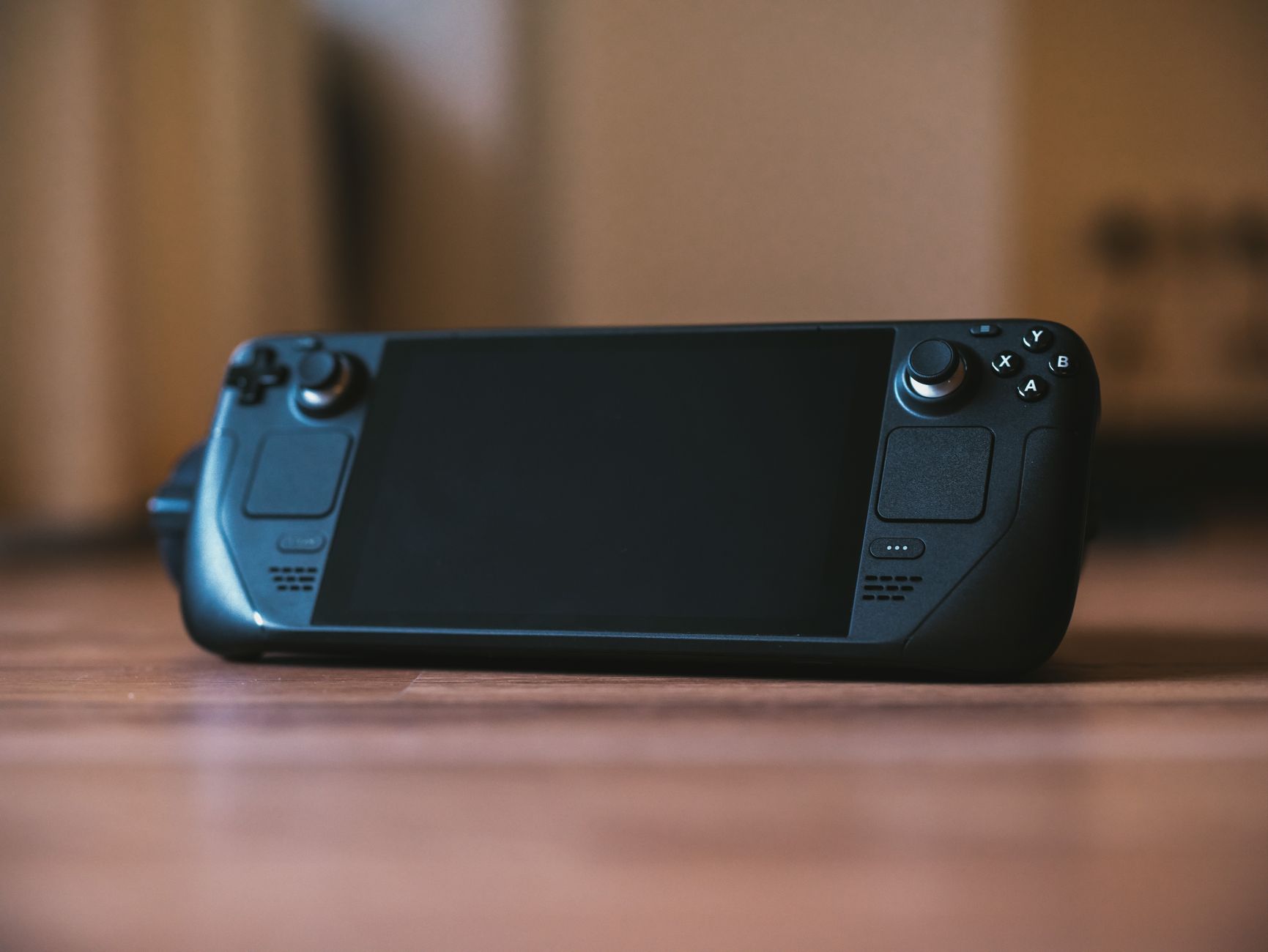
Platform reach matters just as much as design. A run-based structure suits handheld play almost perfectly, since a single attempt can fit into a commute or a lunch break, and a Switch release puts that rhythm in front of an audience that may never touch a PC storefront. Roguelikes have long thrived on PC because their audience was already there. A launch that treats console and handheld players as first-class citizens suggests the genre’s ceiling is higher than its sales history implied.

There is a risk in the other direction. When a genre gets a breakout success, imitators tend to copy the surface elements, such as the mythology, the stylized art, and the boon-card choices, and miss the part that actually does the work. Hades II succeeds because the writing, the hub, the combat feel, and the progression system were all tuned to support one another over years of iteration. A clone that borrows the look without that depth will feel like a roguelike with a skin on it, and players who came in through Supergiant’s door may walk back out.
The harder question is whether the hardcore audience that built the genre feels crowded out. Roguelikes earned their identity through brutal difficulty, opaque systems, and a culture of hard-won knowledge, and a friendlier, story-forward version pulls in a different kind of player with different expectations. The two audiences are not necessarily in conflict, but they will not always want the same game. If Hades II’s success pushes more studios toward gentler onboarding and richer narrative, who is left making the sprawling, unforgiving runs that the genre was founded on?