


Anyone who has built a competitive Pokémon team knows the ritual. You pick a roster, hunt down the right Natures, grind Effort Values, breed for Individual Values, and sort out held items. Then the next mainline game arrives, the rules shift, and the cycle starts again. Pokémon Champions, announced by The Pokémon Company and slated for Nintendo Switch and mobile devices in 2026, is built to break that cycle.
It is not a traditional adventure. Champions is a standalone game centered on battling, with no region to explore and no gym badges to collect. For a community that has spent years stitching its hobby together from mainline releases, transfer tools, and fan-made simulators, a dedicated official home is a notable change.
A Format Without a Fixed Address
Competitive Pokémon has always been a guest in someone else’s house. The Video Game Championships circuit runs on whichever mainline game is current, which means the competitive environment is tied to the quirks of a title designed first and foremost for casual play. Story pacing, breeding systems, and online features were all built for a general audience, and competitive players adapted around them.
The community built its own infrastructure to cope. Fan-made battle simulators such as Pokémon Showdown let players test teams without spending hours training them, and Pokémon HOME acted as a bridge for moving creatures between games. These tools worked, but they also exposed the gap. When the most popular way to practice a game is a free unofficial website, the official product is leaving something on the table.
What Champions Changes About Team Building
The most obvious promise is time. Preparation has always been the tax on competitive play, and a game that exists purely for battling has every reason to shrink that tax. If Champions makes building a viable team faster than it has been in the mainline series, it opens the format to players who love strategy but never had the patience for the grind.
That matters because the grind has been a filter. A newcomer who wants to try a doubles team has historically faced a wall of hidden mechanics before landing a single competitive match. Even players who enjoy the system admit it can feel like homework. A battle-first game can introduce the strategic layer, such as type matchups, speed tiers, and positioning, without demanding that people master spreadsheet-level breeding first.

Then there is the matter of stability.
Mainline games bring new creatures, moves, and mechanics on a schedule dictated by development cycles, and each release reshuffles what players can use. A dedicated battle game can in theory maintain a living ruleset, with regular updates to which Pokémon are eligible and which mechanics are in play. That would give tournament organizers and casual ladder climbers alike a clearer picture of the environment, and it would let the metagame mature instead of resetting every few years. The tradeoff is that a live game demands ongoing balance decisions, and every patch becomes a point of public debate. Competitive communities are famously vocal, and a platform built for them will be judged by how quickly and clearly it communicates changes.
The Mobile Question
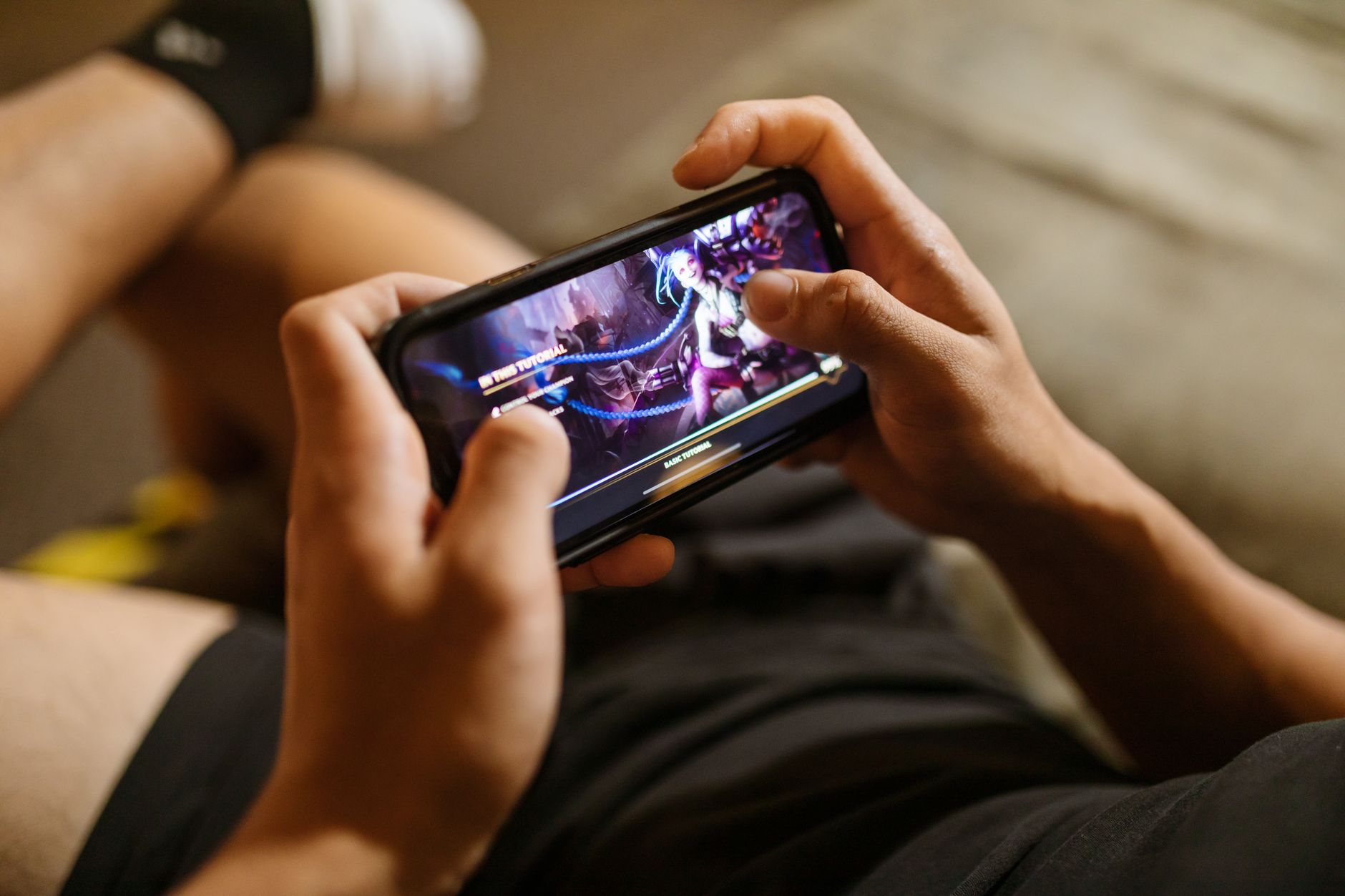
Releasing on phones as well as Switch is the most interesting part of the plan. Competitive Pokémon has long been tied to a console, a subscription for online play, and a willingness to carry hardware to events. Mobile availability lowers that barrier considerably, since a player can squeeze in a ranked match on a commute instead of setting up a dock.
It also raises design questions. Battle interfaces that work on a television need to be readable on a small touch screen, and a turn-based format suits that well, but information-heavy screens like damage calculations, status effects, and field conditions can get cramped. How the game presents that data will shape how deep the strategy can go on a phone. If it simplifies too much, veterans will feel shortchanged. If it crowds the screen, newcomers will bounce off.
What Still Needs Answers
Several important details are still open. The Pokémon Company has framed the game as the competitive hub, but how it connects to Pokémon HOME, which creatures and abilities will be available at launch, and how new battle mechanics get folded in are all questions the community is watching closely. Players who have invested years in transferring and storing their teams want to know whether that work carries over or whether the game asks them to start clean.
Monetization is the other open question. Free-to-start mobile games and premium console games follow very different rules, and a title straddling both worlds has to decide how it handles progression, cosmetics, and any shortcuts to building a team. Competitive audiences are wary of anything that smells like pay-to-win, and a ranked ladder is the one place where that suspicion matters most. A fair system will earn goodwill quickly, and a misstep will be dissected within hours.
The larger test is whether Champions can serve two audiences without shortchanging either: the veteran who wants a deep, stable ruleset, and the curious newcomer who has never heard of an Effort Value. If it does, the next Pokémon tournament may be won by someone who built their team on a phone during a train ride, and the circuit will have to decide how it feels about that.