

Netflix just dropped a bombshell that could reshape the gaming industry forever. The streaming giant announced a massive expansion into console gaming, partnering with major studios to deliver exclusive AAA titles starting in 2026. This isn’t another mobile gaming experiment—Netflix is going head-to-head with Sony, Microsoft, and Nintendo.
The move represents Netflix’s most aggressive push into gaming yet, backed by a reported $5 billion investment over three years. With over 260 million subscribers worldwide, Netflix has the reach to potentially disrupt the traditional console market. The question isn’t whether this will change gaming—it’s how quickly competitors will scramble to respond.
Early reports suggest Netflix has secured partnerships with Ubisoft, CD Projekt Red, and several unnamed Japanese studios. These aren’t small indie projects; we’re talking about full-scale productions with budgets exceeding $100 million per title.
The AAA Partnership Strategy
Netflix’s console gaming strategy centers on exclusive partnerships rather than hardware development. The company has locked in deals with established studios to create premium content available only through Netflix Gaming platforms. This approach mirrors their successful original content strategy in streaming video.
Ubisoft leads the partnership roster with a confirmed exclusive Assassin’s Creed title set for 2026 release. Sources close to the development suggest this won’t be a spinoff or mobile adaptation—it’s a full AAA experience comparable to recent mainline entries. The game will launch simultaneously on PlayStation 5, Xbox Series X/S, and PC through Netflix’s gaming service.
CD Projekt Red brings even more excitement with a confirmed Cyberpunk universe expansion. While details remain scarce, the studio confirmed this project exists separately from the upcoming Cyberpunk 2077 sequel. Netflix subscribers will get exclusive access to this cyberpunk adventure, potentially featuring characters and locations from the Netflix anime series Cyberpunk: Edgerunners.
The Japanese studio partnerships remain under wraps, but industry insiders point to Square Enix and Capcom as likely candidates. Square Enix’s recent focus on multiplatform releases aligns perfectly with Netflix’s subscriber-first approach. Capcom’s success with streaming-friendly games like Monster Hunter and Resident Evil makes them natural partners for this initiative.
These partnerships follow a revenue-sharing model rather than traditional licensing deals. Studios receive upfront development funding plus percentage splits based on subscriber engagement metrics. This structure incentivizes studios to create games that keep players engaged long-term, matching Netflix’s subscriber retention goals.
Platform Integration and Technology
Netflix Gaming’s console expansion relies heavily on cloud gaming technology and deep integration with existing Netflix infrastructure. The service will offer both cloud streaming and native downloads, giving players flexibility based on their internet connection and preferences.
The cloud gaming component uses NVIDIA GeForce Now technology, providing 4K gaming at 60fps for subscribers with adequate internet speeds. Netflix has invested heavily in server infrastructure, adding dedicated gaming servers in major metropolitan areas. This expansion supports their goal of sub-20ms latency for competitive gaming experiences.
Native download options cater to players with limited internet or those preferring offline play. Games download through a dedicated Netflix Gaming launcher on PC and integrated apps on PlayStation and Xbox consoles. The system uses intelligent compression to reduce download sizes without compromising visual quality.
Cross-platform progression represents a major selling point for Netflix Gaming. Players can start a game on their PlayStation, continue on PC during lunch breaks, and finish missions on their phone during commutes. This seamless experience leverages Netflix’s existing account infrastructure and cloud save technology.
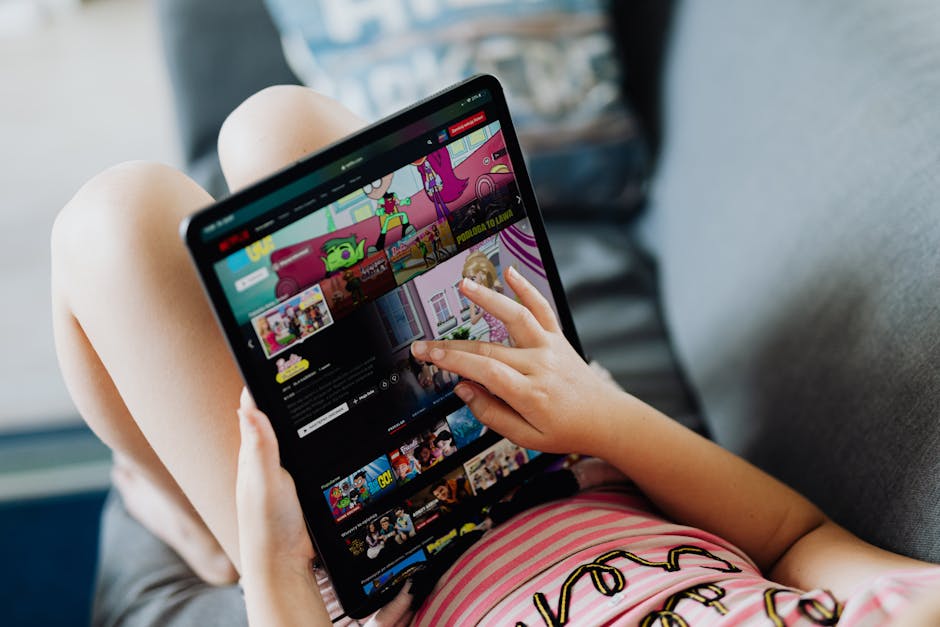
The integration extends beyond basic gameplay. Netflix plans to incorporate gaming content into their recommendation algorithm, suggesting games based on viewing habits. Fans of The Witcher series might receive recommendations for fantasy RPGs, while Stranger Things viewers could see horror and sci-fi game suggestions.
Social features include friend lists that span gaming and video content, achievement sharing, and integrated streaming tools. Players can broadcast gameplay directly to friends’ Netflix feeds, creating organic word-of-mouth marketing for new releases.
Market Impact and Competitive Response
Netflix’s console gaming expansion threatens traditional gaming business models in several ways. The subscription-based approach eliminates the $70 price barrier for AAA games, potentially attracting price-sensitive consumers who currently wait for sales or skip new releases entirely.
Sony faces the most direct threat, as PlayStation’s exclusive content strategy closely mirrors Netflix’s approach. The company has already announced expanded PlayStation Plus offerings and hinted at day-one releases for first-party titles. Microsoft’s Game Pass provides a template for subscription success, but Netflix’s massive subscriber base and content creation expertise present unique advantages.
Nintendo’s position appears most secure due to their hardware-centric strategy and unique first-party IP. However, Netflix’s family-friendly content could appeal to Nintendo’s core demographic, especially if they secure partnerships for games featuring popular Netflix animated series.
Third-party publishers face difficult decisions about exclusive partnerships versus broader market reach. EA’s recent comments suggest they’re exploring “innovative distribution partnerships,” likely referring to Netflix and similar services. Take-Two Interactive has remained committed to traditional retail, but industry pressure may force reconsideration.
The mobile gaming market also faces disruption as Netflix bridges the gap between casual and hardcore gaming. Their existing mobile gaming library has grown to over 80 titles, and the console expansion provides natural progression paths for players seeking more complex experiences.
Looking Ahead to 2026
Netflix Gaming’s console launch timeline targets holiday 2026, coinciding with the rumored PlayStation 6 and next-generation Xbox releases. This timing positions Netflix as a next-gen gaming option from day one, rather than playing catch-up with established platforms.
The service will launch with at least six AAA exclusive titles, including the confirmed Ubisoft and CD Projekt Red projects. Netflix has committed to monthly content updates, with new games and expansions releasing throughout 2026 and beyond. This aggressive content schedule requires substantial ongoing investment but ensures subscriber engagement remains high.
Pricing remains unconfirmed, but industry analysts expect Netflix Gaming to integrate into existing subscription tiers. Premium subscribers might receive day-one access to new releases, while standard subscribers face 30-day delays. This tiered approach maximizes revenue while maintaining broad accessibility.
Success metrics will focus on subscriber retention and engagement rather than traditional game sales. Netflix needs to prove that gaming content significantly reduces churn and attracts new subscribers to justify the massive investment. Early internal projections suggest gaming could reduce monthly churn by 15-20% among active users.
Netflix Gaming represents the streaming giant’s boldest expansion yet, with potential to fundamentally reshape how we buy and play video games. The combination of exclusive AAA content, subscription accessibility, and seamless cross-platform integration creates compelling value for consumers. Whether traditional console manufacturers can adapt quickly enough to compete remains the biggest question facing the industry in 2026.