





The Wait That Won’t End
Hollow Knight: Silksong was announced in February 2019 – not teased, not hinted at, but formally revealed with a trailer, a title, and a promise. Team Cherry described it as a full standalone game, not DLC, built around Hornet rather than the Knight. The community erupted. The goodwill was enormous. That was over six years ago.
Since then, Silksong has become something closer to a meme than a release. It has appeared on Nintendo Direct wishlists so many times that fans have started treating any major Nintendo broadcast as another potential disappointment. The game was confirmed for Xbox Game Pass. It appeared in a 2022 Nintendo Direct. A 2023 release window was widely assumed. None of it produced an actual launch date, and Team Cherry has gone stretches of many months without any public communication at all.
Silence, at a certain point, stops feeling like careful development and starts feeling like avoidance.

What Team Cherry Built – and What That Promise Costs Them
The original Hollow Knight launched in 2017 after a Kickstarter campaign that raised just over $57,000 – a modest target for an indie project. What followed was a game that sold millions of copies, scored among the highest-rated indie releases of its generation, and built Team Cherry a fanbase with genuine emotional investment in the studio. That kind of loyalty is rare and it does not come without expectations attached.
Team Cherry is a tiny operation. Reports from the studio consistently describe a core team of three people – Ari Gibson, William Pellen, and Jack Vine – with additional contractors brought in for specific work. That context matters when discussing development timelines. A studio of three cannot operate at the pace of a mid-sized publisher, and nobody reasonable expects them to. The problem is not the pace. The problem is the communication gap that has grown between the studio and its audience.
When years pass without a development update, without a screenshot, without even a brief acknowledgment that the game is progressing, the fanbase fills that vacuum with speculation and frustration. Team Cherry has given interviews that referenced Silksong’s scope growing well beyond original plans, which is both understandable and, for a game that has already been in development this long, a concerning pattern. Scope creep at an indie studio without a publisher deadline is one of the cleaner explanations for an indefinite delay – it just does not make the wait easier to accept.
The Goodwill Erosion Is Real and It Is Already Happening
There is a specific kind of fan exhaustion that sets in around games with no release date and no visible development activity. It is not anger, exactly – most Hollow Knight fans are not hostile toward Team Cherry. It is something duller: a gradual detachment, a decision to stop caring as a form of self-protection. Players who have been anticipating Silksong since 2019 are now six years older. Some have moved on to other games, other studios, other interests. The audience waiting on launch day will not be identical to the audience that cheered the reveal trailer.
This kind of developer trust erosion is not unique to Team Cherry – Nintendo itself has faced similar strain with Animal Crossing’s missing 2025 update, where silence from a beloved studio reads less like patience and more like abandonment. The pattern holds regardless of studio size: extended silence eventually converts enthusiasm into skepticism, and skepticism is much harder to reverse than it is to avoid in the first place.
What makes Silksong’s situation particularly sharp is that the game has appeared in official Nintendo and Xbox presentations. Those appearances were not fan rumors or leaks – they were sanctioned marketing moments that implied proximity to release. When that proximity never materializes, the credibility cost falls on the studio that allowed those presentations to happen. Team Cherry may have had little control over how or when platform holders chose to showcase the game, but the audience does not make that distinction. The association sticks.

Nintendo’s Platform Stake in This Delay
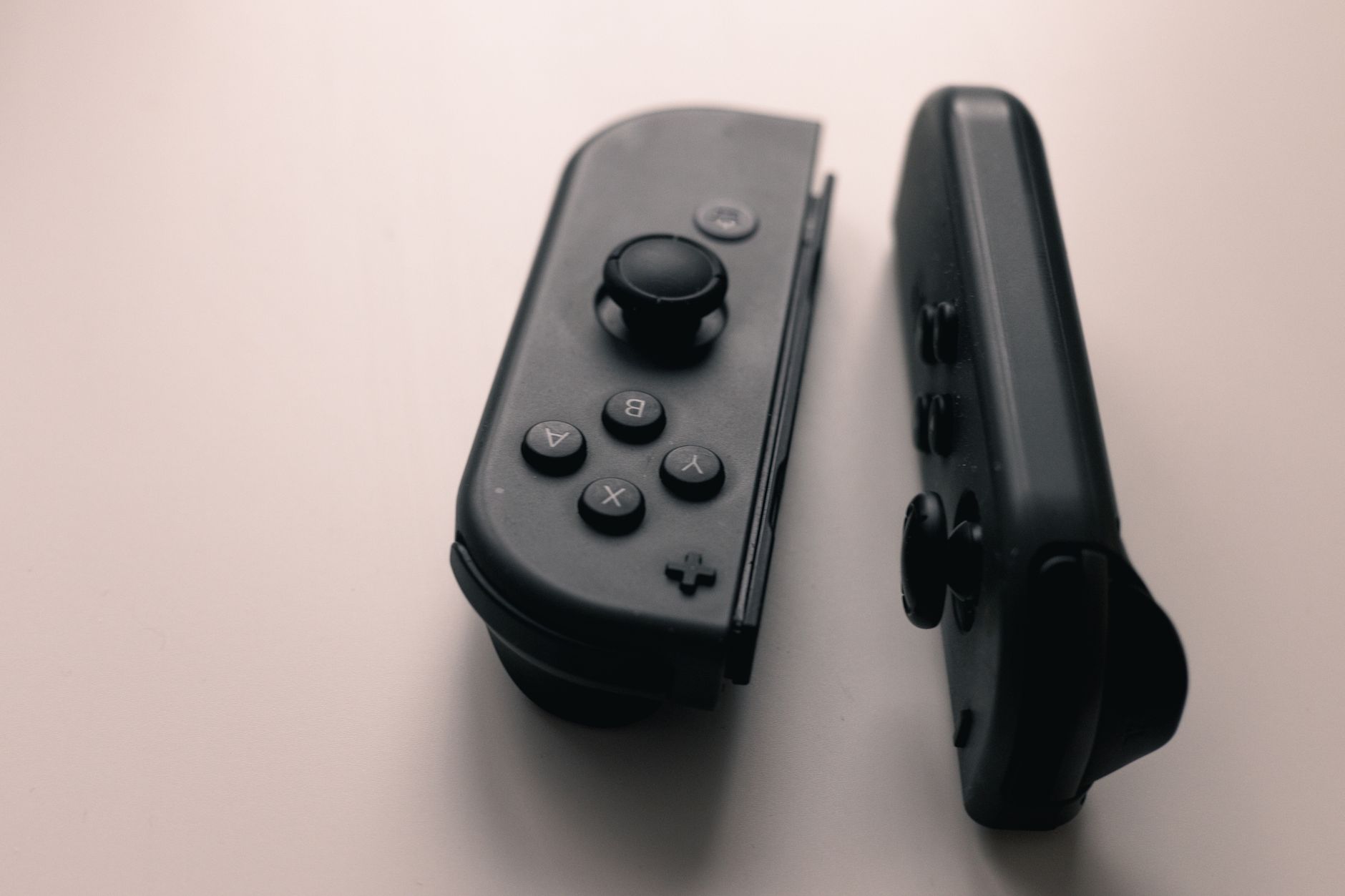
From a Nintendo perspective, Silksong is a real loss in the Switch 2 launch window conversation. The original Hollow Knight was one of the defining Switch indie titles – the kind of game that proved the platform’s value for players who wanted deep, portable experiences. Silksong landing on Switch 2 at or near launch would have been a meaningful statement. Every month that passes without a release date makes that scenario less likely.
Nintendo does not control Team Cherry’s development schedule, but it does control how it positions third-party titles and whether it continues to include Silksong in Direct presentations. Continuing to feature a game with no release window in official broadcasts is a gamble that keeps paying diminishing returns. The audience has been conditioned to dismiss Silksong appearances as non-events, which undercuts the marketing value of the slot entirely.
There is also a broader competitive issue. The indie space on Nintendo platforms has grown considerably since 2019. Games like Cult of the Lamb, Shovel Knight: Dig, and multiple Metroidvania releases have occupied the mindshare that Silksong might otherwise have dominated. The longer Silksong waits, the more crowded the reception will be – and the higher the expectations will climb without a proportional increase in goodwill to meet them.
The Longer This Runs, the Narrower the Landing Gets
Silksong still has the potential to be exactly what fans have been waiting for – Team Cherry’s track record with the original game is real, and a studio willing to delay indefinitely rather than ship something broken is not the worst problem to have. But the game now has to contend with its own mythology. Six years of anticipation, multiple false-horizon moments at Nintendo Directs, and a near-total communication blackout have turned a sequel announcement into a pressure event. When Silksong finally launches, it will not just be reviewed as a game – it will be judged against every year of waiting, every Direct that came and went, and every fan who decided somewhere along the line to stop believing it was actually coming.
Frequently Asked Questions
Why has Hollow Knight Silksong been delayed for so long?
Team Cherry has cited expanded scope as a factor, but the studio has not provided a detailed public explanation. Development at a three-person core team naturally takes longer than at larger studios.
Does Hollow Knight Silksong have a release date?
No. As of 2025, Team Cherry has not announced a release date for Silksong despite the game being revealed in February 2019.