

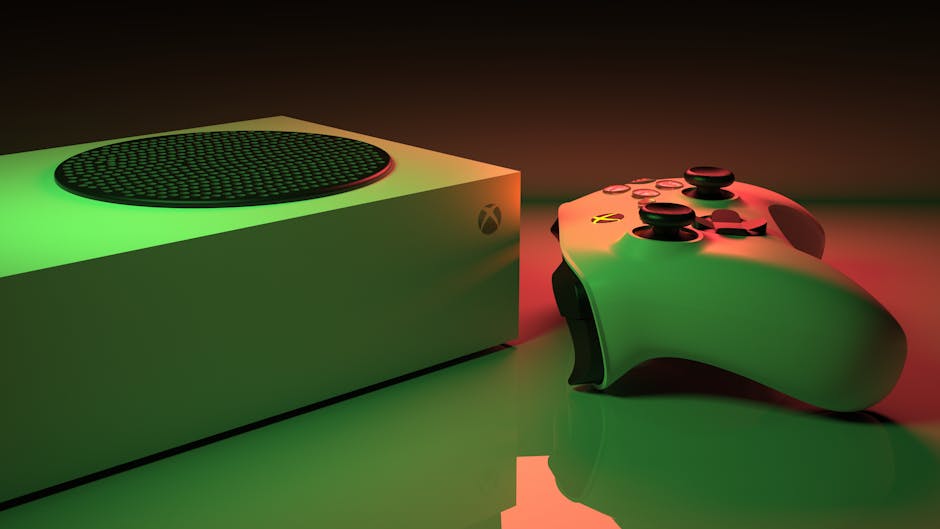
Microsoft drops its biggest hardware surprise since the original Xbox launch. The Xbox Series X Elite Edition arrives Fall 2026 with liquid cooling, swappable components, and a $799 price tag that positions it directly against high-end gaming PCs.
This isn’t another mid-generation refresh. The Elite Edition represents Microsoft’s boldest attempt to blur the console-PC divide, targeting enthusiasts who want console simplicity with PC-level customization. Early demos show 4K gaming at sustained 120fps with ray tracing enabled—performance that current Series X hardware simply cannot deliver.

Revolutionary Liquid Cooling Changes Everything
The Xbox Series X Elite Edition’s custom liquid cooling system uses a dual-loop configuration that Microsoft developed with Corsair. The primary loop cools the custom AMD RDNA 4 GPU, while a secondary loop handles the Zen 5 CPU and system memory.
Unlike traditional console cooling, this system maintains whisper-quiet operation under full load. Microsoft’s internal testing shows the Elite Edition running 15-20 degrees cooler than standard Series X consoles during identical gaming sessions. This temperature reduction allows both the CPU and GPU to sustain higher boost clocks for extended periods.
The cooling system’s most impressive feature is its adaptive performance scaling. When playing less demanding games, the liquid cooling system automatically reduces pump speeds and fan curves, making the console nearly silent during casual gaming or media playback.
Real-World Performance Gains
Microsoft demonstrated the Elite Edition running Cyberpunk 2077 with full ray traced reflections at 4K/120fps—a 40% performance improvement over the standard Series X. Starfield maintained 60fps at 4K with enhanced lighting and particle effects that aren’t possible on current hardware.
The liquid cooling enables a 20% increase in GPU clock speeds and 15% higher CPU frequencies compared to air-cooled Series X consoles. These aren’t burst speeds—the Elite Edition sustains these clocks throughout extended gaming sessions without thermal throttling.
Modular Components Bring PC Flexibility
The Elite Edition’s modular design centers around three user-replaceable components: storage, memory, and what Microsoft calls “expansion cards.” The console ships with 32GB of GDDR6X memory and 2TB of NVMe storage, both accessible through tool-free panels on the rear.
Storage expansion uses standard M.2 2280 NVMe drives, not proprietary cards. Microsoft validates specific drive models for optimal performance, but users can install any PCIe 4.0 SSD. The console supports up to 8TB total storage across two internal slots.
Memory modules follow a proprietary format, but Microsoft plans to offer 16GB and 32GB upgrade options starting in 2027. The base 32GB configuration allows games to load entire levels into memory, virtually eliminating loading screens in supported titles.
Expansion Cards Add Future-Proofing
The expansion card slot represents Microsoft’s most forward-thinking feature. The launch card includes Wi-Fi 7, Bluetooth 6.0, and USB4 ports. Future cards could add features like 8K video output, additional storage controllers, or enhanced audio processing.
Microsoft showed prototype cards including a dedicated AI acceleration unit for game upscaling and a streaming card optimized for Xbox Cloud Gaming. These expansion options could extend the Elite Edition’s lifespan well beyond traditional console generations.
Gaming Performance That Rivals High-End PCs
The Elite Edition’s custom AMD hardware delivers performance comparable to RTX 4070 Ti and Radeon RX 7800 XT graphics cards. Microsoft’s partnership with AMD resulted in custom silicon that prioritizes console gaming workloads over general compute tasks.
Ray tracing performance sees the biggest improvement. The Elite Edition runs Control Ultimate Edition with full ray traced reflections and lighting at 4K/60fps, while the standard Series X manages 1440p/60fps with the same settings. This represents roughly 78% more ray tracing performance.
Variable Rate Shading 2.0 and DirectML 2.1 support enable advanced upscaling techniques that can render games at 1440p internally while outputting pristine 4K images. Early testing suggests visual quality matching native 4K rendering with 30-40% better performance.
Backward Compatibility Enhanced
Xbox 360 and original Xbox games receive automatic enhancements on the Elite Edition. The additional processing power enables 4K upscaling for classic titles, improved texture filtering, and increased frame rates where possible.
Xbox One games benefit from “Boost Mode Plus,” which can double frame rates in compatible titles. Games like Assassin’s Creed Odyssey jump from 30fps to 60fps, while titles already running at 60fps can reach 120fps on displays that support it.
Market Positioning and Availability
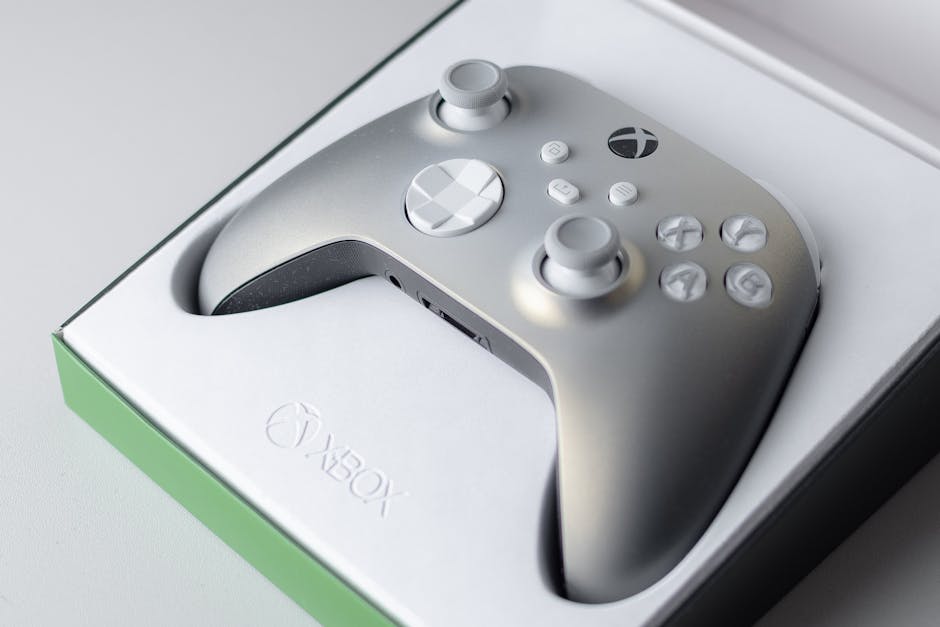
The $799 MSRP places the Elite Edition between premium consoles and entry-level gaming PCs. Microsoft positions this as a “console for enthusiasts” rather than mainstream hardware. Pre-orders begin August 2026 with general availability in November.
Microsoft plans limited production runs initially. The company learned from PlayStation 5 Pro launch issues and wants to avoid widespread shortages. Regional availability starts with North America and Europe, expanding to other markets in early 2027.
The Elite Edition requires Xbox Game Pass Ultimate for full feature access. Enhanced backwards compatibility, cloud gaming integration, and certain modular features need the premium subscription tier.
Competition Response
Sony hasn’t announced PlayStation 6 details, but industry sources suggest a 2027 launch targeting similar performance metrics. Nintendo remains focused on portable gaming with the Switch 2, avoiding direct competition with Microsoft’s premium console strategy.
PC manufacturers like Alienware and ASUS are developing compact gaming systems that compete directly with the Elite Edition’s modular approach. However, none match Microsoft’s integration between hardware and Xbox Game Pass ecosystem.
Should You Upgrade?
The Xbox Series X Elite Edition targets a specific audience: enthusiasts who want cutting-edge console performance without building a gaming PC. If you’re happy with current Series X performance and don’t need 4K/120fps gaming, the standard console remains the better value.
For users with high-end TVs or monitors capable of 4K/120Hz with VRR, the Elite Edition delivers a meaningful upgrade. The liquid cooling system alone justifies the premium for users who prioritize quiet operation during extended gaming sessions.
The modular design offers future-proofing that traditional consoles can’t match. However, Microsoft’s track record with console accessories suggests upgrade modules may carry premium pricing that limits adoption.
Bottom line: The Elite Edition represents Microsoft’s most ambitious console hardware ever. It successfully bridges the gap between console convenience and PC performance, creating a new product category that didn’t exist before. Whether that category finds sufficient audience remains to be seen.